Tumbledown Old Cabin
Where the Crawdads SingTumbledown Old Cabin is a decaying one-room structure in a secluded marsh meadow, reached by a winding creek or on foot. Kya identifies it as a possible hideout in case she has to flee, but its more sustained purpose is as the meeting place for her reading lessons with Tate. Its dangerous, exposed ruin stands in contrast to the knowledge and temporary shelter it offers: the cabin is not a home that can protect Kya permanently, but it gives her a place to learn and wait beyond the ordinary reach of town.
Setting and Access
Kya tells Tate that she found the cabin on an earlier occasion and that, once someone knows the turnoff, it can be reached by boat; she can also walk there. To show him the route, she takes him through the marsh and out to sea, then guides the boat into a small cove and up a narrow freshwater creek hemmed in by low brambles. The creek appears several times to end, but Kya signals that they should continue. The route makes the cabin’s remoteness practical rather than absolute: it is accessible to someone who knows the marsh, yet difficult to find by simply following a direct path.
The creek finally opens onto a wide meadow. Beside the stream stands the old log cabin, collapsed at one end. Its logs have buckled and lie scattered across the ground; the roof remains on a half-wall, sloping from its high end to its low one like a lopsided hat. Tate and Kya pull the boat onto the mud and approach the open doorway. Inside, the cabin is dark and smells of rat urine. Tate pushes at a wall and warns that the structure could collapse. Although it seems sturdy enough at that moment, the building’s precarious condition remains part of its meaning: it offers concealment and a place to meet, not dependable domestic shelter.
Hideout and Shelter
Kya describes the cabin as a hideout where she can store food in case she has to go on the run. Her plan is concrete and provisional, shaped by the prospect of being taken away rather than by a wish to settle in the ruin. When Tate questions whether she might return to school, she resists the idea that school would resolve the threat she fears. She asks whether he would choose a foster home over living in the marsh. After a pause, he responds not by insisting on school but by advising her to bring blankets, matches, and tins of sardines, and not to store fresh food that might attract bears. Their exchange turns the cabin from an abandoned building into a place around which they make practical preparations for survival.
The two briefly meet fear with defiance: Kya says she is not afraid of bears, and Tate answers that he is not either. The exchange does not make the cabin safe; instead, it shows how they approach its risks by discussing supplies and what could happen there. Tate’s suggestions recognize Kya’s intention to remain independent, even as they acknowledge the real hazards of sleeping in a decaying structure far from ordinary help.
Reading Cabin
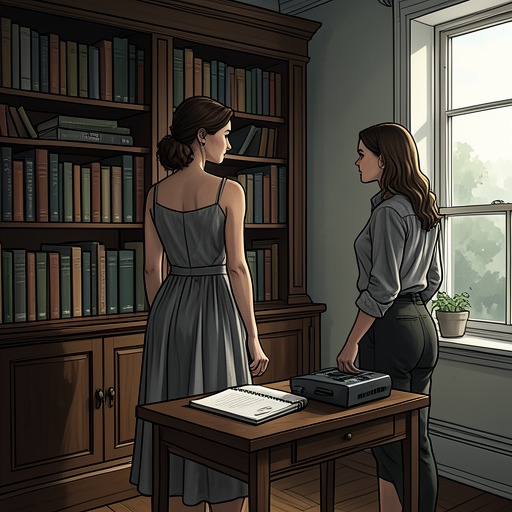
For the rest of the summer, Kya and Tate hold their reading lessons at the cabin several times a week. By mid-August they have read through A Sand County Almanac. Kya cannot read every word, but understands most of the book. The cabin thus becomes a classroom outside the school system Kya has avoided: a place where learning proceeds through repeated meetings and through a text connected to the marsh she already knows.
The lessons give her ways to interpret that landscape. Through Aldo Leopold’s writing, she learns that floodplains are living extensions of rivers and may be reclaimed by them. She learns where geese go in winter and how to understand their calls. She also encounters the book’s account of soil as living matter and of wetland drainage as a change that can dry land beyond the drained area and kill plants and animals. Seeds, the lessons explain, may remain dormant in dry ground for decades before returning water allows them to grow. These ideas connect the cabin’s lessons to Kya’s surroundings: reading supplies terms and relationships for processes she can observe in the marsh.
The knowledge is not simply a substitute for school. Kya experiences it as practical understanding she would not have gained there, even though, as the narration observes, such truths are exposed all around her. The cabin’s modest teaching room is therefore also a meeting point between printed knowledge and lived attention to the natural world.
Refuge Within a Wider Routine
The lessons do not make the cabin Kya’s regular home. She continues to sleep most nights in her shack or on the beach, while gathering firewood for winter and stacking it between two pines. She harvests and stores vegetables from her garden, including squash and beets. The cabin serves these routines intermittently, fitting into a life that remains organized around keeping herself supplied and secure rather than around settling in one place.
Her fear of being taken away also brings her back to the cabin at night. Kya listens for the sound of an automobile carrying men who might come for her. When the waiting becomes tiresome and frightening, she walks to the cabin and sleeps on its dirt floor, wrapped in a spare blanket. That use differs from her daytime lessons: the same secluded room that supports learning becomes a temporary refuge from the possibility of intervention. She also coordinates the gathering of mussels and smoking of fish so Tate can take them to Jumpin’s gas-and-bait shop and wharf and return with her supplies. These exchanges help her keep herself less exposed while continuing to live independently.
Narrative Significance
The cabin’s importance lies in the contrast between its physical instability and the uses Kya makes of it. Its buckled logs, partial collapse, darkness, and vermin smell deny any romantic image of a comfortable retreat. Yet the ruin provides a meeting place that Kya can reach by a route she knows, a potential storehouse for emergency food, a room for sustained reading lessons, and somewhere to sleep when fear makes her usual refuge feel insufficient.
It also gathers two kinds of shelter without confusing them. Tate helps make the cabin more usable with advice about blankets, fire, and food, while their lessons give Kya intellectual resources for understanding the wetlands. Neither the building nor the lessons erase her vulnerability: she continues to listen for the car, plan her supplies, and sleep elsewhere most nights. Tumbledown Old Cabin matters as a limited refuge and a setting for learning, not as a solution to the insecurity that brings Kya there.